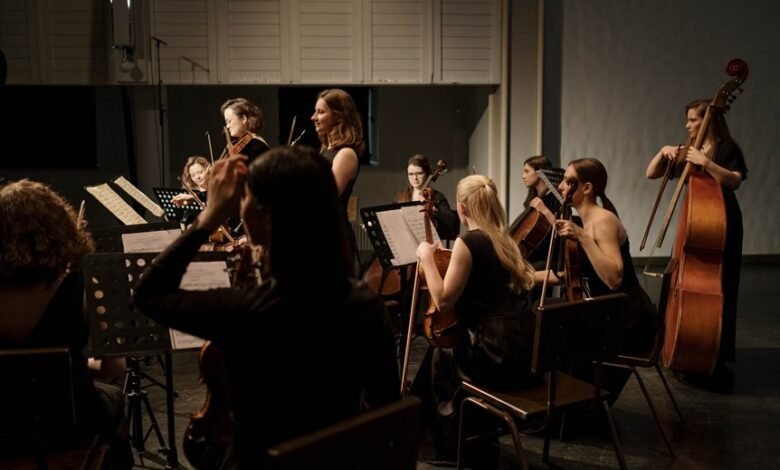
The 3.5 Million Concert model treats attendance as a scalable system, where pacing, gates, and staffing shape momentum. Planning aligns rehearsal cycles, travel, and regional demand with venue capacity and crews. The tech stack delivers sound fidelity, immersive lighting, and consistent branding, while safety and crowd flow policies preserve access and spontaneity. The balance of efficiency and artistic freedom invites scrutiny of where the line between control and authenticity lies, inviting further examination of its practical mechanics.
What the 3.5 Million-Cant-MB Concert Experience Really Entails
The 3.5 million-Cant-MB concert experience, at its core, distills a vast live-performance enterprise into a measurable, data-driven phenomenon. It traces how audience stamina shapes engagement, with prolonged sets testing endurance and focus.
Ticketing hurdles emerge as gatekeepers, filtering access and timing.
The frame emphasizes efficiency, transparency, and adaptive systems that sustain momentum while preserving artistic integrity and audience freedom.
The Planning Playbook: Scheduling, Venues, and Staffing for Scale
Strategic scheduling aligns tour cadence with rehearsal cycles, travel logistics, and regional demand, ensuring consecutive shows optimize audience turnout without compromising performer health or production quality.
The Planning Playbook distills planning nuances into actionable frameworks: venue selection aligned with capacity and logistics, staffing models that scale, and vendor coordination that anticipates contingencies, driving efficiency, flexibility, and sustainable growth for large-scale tours.
The Tech Backbone: Logistics, Sound, Lighting, and Brand Integration
Across large-scale performances, the backbone comprises logistics orchestration, high-fidelity audio systems, immersive lighting design, and cohesive brand touchpoints.
The analysis emphasizes tech logistics, ensuring seamless transport, scheduling, and on-site coordination.
Sound workflows prioritize clarity and redundancy, while lighting supports narrative tempo.
Brand integration curates consistent visuals and messaging, enabling audiences to experience a unified identity without friction or distraction.
From Show to Afterglow: Crowd Flow, Safety, and Post-Event Wrap-Ups
From the energy of the main event, attention shifts to how crowds move, respond to safety protocols, and settle into post-show routines.
The analysis notes disciplined crowd flow, efficient egress, and quick hazard recognition, limiting bottlenecks.
Post event wrap ups reveal calmer transitions, replenished energy, and documentation for lessons learned, informing future practice and freedom-loving audience expectations.
Frequently Asked Questions
How Are Souvenir Rights and Merchandise Revenue Tracked?
Souvenir rights and merchandise revenue are tracked via centralized royalty and sales ledgers, attributing unit-level data to events, venues, and licensees. The system analyzes benchmarks, reconciles splits, and ensures transparent reporting for stakeholders seeking financial freedom.
What Is the Percentage Split With Local Vendors?
Local vendors typically share roughly 60–70% of souvenir revenue with the organizer, though exact splits vary. The irony arises as such arrangements underline autonomy concerns; practical figures reflect negotiated concessions rather than universal constants for freedom-seeking audiences.
How Is Artist Privacy Managed During Large Events?
Privacy management at large events leverages controlled access, data minimization, and staff training, while vendor coordination aligns contracts and confidentiality. The approach balances attendee privacy with operational needs, enabling transparency for stakeholders who value freedom and responsible event governance.
What Contingency Plans Exist for Extreme Weather?
Weather contingency plans include monitored forecasts and staged delays; safety drills ensure rapid evacuation and shelter procedures. The plan integrates weather radios, contingency routes, and on-site medical teams, reflecting a disciplined yet flexible approach—anachronism: steam-powered radar informs modern lightning alerts.
How Is Post-Event Data Analyzed for Future Shows?
Post-event analytics are examined to extract actionable patterns, while audience segmentation identifies distinct attendee cohorts; these insights inform future show design, pricing, and marketing, enabling more flexible tactics for audiences seeking freedom and personalized experiences.
Conclusion
In the theater of numbers, the 3.5 Million-Cant-MB concert stands as a clock without hands—every tick a calculated rhythm, every gear a note in unison. The crowd is a living metronome; pacing, gates, and tech fuse like strings and frets, sustaining momentum without muting artistry. Afterglow lingers as embers in a conductor’s palm, safety and data guiding the next bow. In this symphony of efficiency, culture remains the loudest, most human harmony.