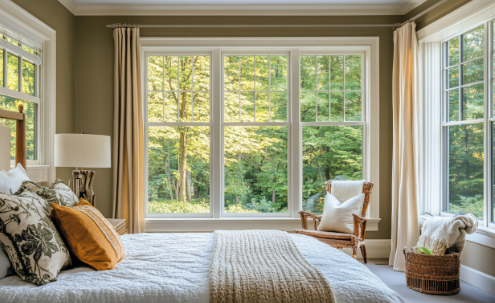
One of the most common mistakes homeowners make with windows is neglecting the natural light and orientation of their home. Windows are not just openings for ventilation; they play a crucial role in lighting your living spaces. Many homeowners focus solely on aesthetics and select window sizes and styles without considering how much sunlight enters the room at different times of the day. Improperly oriented windows can result in rooms that feel dark, gloomy, or overly exposed to harsh sunlight. For instance, south-facing windows in warmer climates may cause overheating, while north-facing windows can make interiors appear dull and cold. Considering the orientation and maximizing natural light helps reduce energy costs and creates a healthier and more welcoming living environment.
Beyond sunlight, window placement can affect the overall mood of a home. Rooms that receive insufficient light could use plantation shutters. Otherwise can feel cramped and uninviting, reducing the overall appeal of the space. Homeowners should work with designers to ensure that window placement complements the interior layout, furniture arrangement, and intended function of each room. Balancing light, ventilation, and privacy is essential to prevent a common oversight that may lead to costly adjustments later.
Another frequent mistake involves selecting a window style that doesn’t match the home’s architecture or functional needs. Homeowners often choose trendy designs or replicate styles they see elsewhere without assessing whether it suits their property. For example, installing modern casement windows in a traditional colonial house can disrupt the architectural harmony, while a large sliding window may not offer the ventilation required in certain climates. Window style affects not just aesthetics but also usability, energy efficiency, and even safety. Choosing the wrong style can make it difficult to open or clean the windows, diminish curb appeal, and reduce long-term value.
Additionally, homeowners sometimes overlook the impact of window style on energy efficiency. Certain styles, such as single-hung or fixed windows, may not provide adequate insulation compared to double-hung or casement windows. Selecting windows without considering local weather conditions or insulation needs can increase heating and cooling expenses. By carefully assessing both design compatibility and functional requirements, homeowners can avoid costly mistakes and ensure their windows enhance both form and function.
Overlooking Energy Efficiency and Insulation
Energy efficiency is a critical factor that many homeowners neglect. Poorly insulated windows can lead to drafts, heat loss during winter, and excessive heat gain in summer. Single-pane windows, for instance, are less efficient compared to double or triple-pane alternatives with low-emissivity coatings. Ignoring energy efficiency may also increase reliance on air conditioning and heating systems, driving up utility bills. Modern window technologies offer options such as argon gas fillings, thermal breaks, and energy-efficient frames that minimize energy wastage. Homeowners who ignore these features often face higher long-term costs and uncomfortable living conditions.
Moreover, window insulation impacts not only energy costs but also interior comfort and noise reduction. Poorly insulated windows allow external noise to penetrate, making it difficult to relax or concentrate indoors. By investing in energy-efficient windows that provide excellent thermal insulation and soundproofing, homeowners can improve indoor comfort and maintain a pleasant temperature throughout the year. Consulting energy efficiency ratings and considering climate-specific solutions is crucial to prevent common mistakes and enhance overall home performance.
Even high-quality windows can fail to perform well if not measured or installed correctly. A common oversight among homeowners is not taking precise measurements before purchasing windows. Incorrect sizing can lead to gaps, air leaks, and structural issues. Similarly, improper installation may cause misalignment, water leakage, or difficulty in operation. Many homeowners attempt DIY installations without understanding the technical requirements, which often results in costly repairs or replacements. Professional installation ensures windows fit perfectly, function smoothly, and maintain their energy efficiency over time.
Measurement and installation are also critical for aesthetic balance. Windows that are uneven or improperly aligned disrupt the visual flow of a room and can negatively impact curb appeal. Additionally, overlooking the need for proper flashing, sealing, and insulation during installation can lead to water damage, mold growth, and long-term structural problems. Homeowners must prioritize precise measurements and professional installation to avoid common pitfalls that compromise the durability and functionality of their windows.
Ignoring Maintenance and Longevity Factors
The final common mistake involves overlooking maintenance and the long-term durability of windows. Many homeowners focus on initial cost and appearance while neglecting materials and finishes that affect longevity. For instance, wooden windows may require regular painting or sealing, while vinyl windows may be easier to maintain but less resistant to extreme weather conditions. Failing to consider these factors can lead to premature wear, rot, or fading, necessitating frequent repairs or replacements. Choosing windows with low-maintenance materials and finishes ensures they retain their aesthetic appeal and functional performance over the years.