Introduction to the Profession
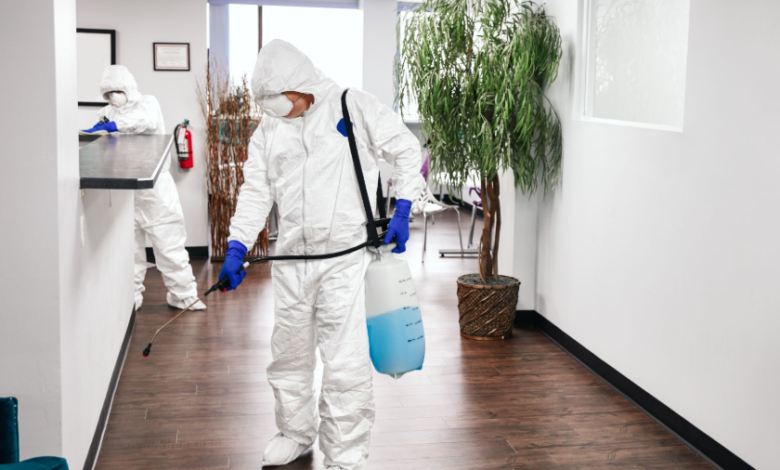
In today’s health-conscious environment, maintaining hygiene and preventing the spread of harmful microorganisms has become more important than ever. This has led to the increasing demand for a disinfection specialist who can ensure safe, sanitary, and healthy environments in both residential and commercial settings. These professionals are trained to handle various sanitation challenges using specialized equipment, disinfectants, and methods that meet industry standards.
Key Responsibilities of a Disinfection Specialist
A disinfection specialist plays a vital role in protecting public health. Their core responsibilities typically include:
- Assessing the cleanliness and hygiene level of spaces before starting the disinfection process.
- Identifying high-touch areas that require thorough cleaning, such as doorknobs, light switches, handrails, and shared equipment.
- Applying appropriate disinfectants to eliminate bacteria, viruses, and fungi while adhering to safety guidelines.
- Using advanced technologies like electrostatic sprayers, foggers, and UV sterilizers for efficient sanitation.
- Educating clients on proper hygiene practices to maintain the disinfected environment.
Skills and Qualifications Required
To excel as a disinfection specialist, an individual needs more than just basic cleaning skills. A combination of technical expertise, attention to detail, and safety awareness is essential. Most professionals in this field are trained in:
- Correct use of personal protective equipment (PPE).
- Understanding of chemical safety and storage guidelines.
- Knowledge of various disinfectants and their appropriate applications.
- Awareness of health regulations and sanitation protocols.
- Ability to work efficiently in various environments, from hospitals to offices and industrial sites.
Tools and Equipment Used
The effectiveness of a disinfection specialist largely depends on the tools and technologies they employ. Commonly used equipment includes:
- Electrostatic sprayers for even distribution of disinfectants.
- ULV (Ultra-Low Volume) foggers for reaching difficult areas.
- Steam cleaners for deep sanitation.
- Air purifiers to improve indoor air quality.
- Handheld disinfection devices for quick spot cleaning.
Importance of Disinfection in Different Sectors
Disinfection is not limited to healthcare settings. A disinfection specialist may work across various sectors:
- Healthcare Facilities – To prevent hospital-acquired infections.
- Educational Institutions – To maintain a safe learning environment for students and staff.
- Corporate Offices – To reduce absenteeism and enhance workplace health.
- Hospitality Industry – To ensure guest safety and maintain a positive reputation.
- Public Transport – To minimize the risk of disease transmission among passengers.
Health and Safety Compliance
A professional disinfection specialist adheres to strict safety standards to protect both themselves and their clients. They follow guidelines provided by authorities such as the World Health Organization (WHO) and Centers for Disease Control and Prevention (CDC). Compliance involves proper chemical handling, disposal of contaminated materials, and maintaining detailed sanitation records for accountability.
Benefits of Hiring a Disinfection Specialist
Engaging a professional for disinfection offers numerous advantages, including:
- Thorough Cleaning – Far more effective than standard cleaning services.
- Time Efficiency – Fast and systematic cleaning using advanced tools.
- Health Protection – Reduced spread of infectious diseases.
- Cost Savings – Prevention of disease outbreaks can save businesses significant expenses.
- Peace of Mind – Assurance that spaces meet high hygiene standards.
See also: Cleaning House, Removing Moss: A Transformative Guide to a Refreshed Home
Choosing the Right Professional
When selecting a disinfection specialist, clients should consider factors like experience, certifications, customer reviews, and the disinfection specialist types of disinfectants used. Opting for eco-friendly products can also align with sustainability goals without compromising on cleanliness.
Future Trends in the Disinfection Industry
The role of a disinfection specialist is evolving with technological advancements. Future trends include:
- Use of artificial intelligence for scheduling and tracking sanitation activities.
- Integration of IoT-enabled cleaning devices for real-time monitoring.
- Greater emphasis on environmentally friendly and chemical-free cleaning solutions.
- Expansion of services to include air quality management and preventive maintenance.
Conclusion
In a world where hygiene and safety are paramount, the expertise of a disinfection specialist is indispensable. Their skills not only help eliminate harmful pathogens but also contribute to healthier living and working environments. As awareness of disease prevention grows, these professionals will remain essential in safeguarding public health across various sectors.