Understanding Lie Detector Tests in Indiana: The Role and Reliability of Polygraph Examinations

Introduction to Polygraph Tests
A polygraph test, commonly known as a lie detector test, is a procedure that measures and records several physiological indicators such as blood pressure, pulse, respiration, and skin conductivity while a person answers a series of questions. The underlying assumption is that deceptive answers will produce physiological responses that can be differentiated from those associated with truthful answers. Although polygraph tests have been used for decades in criminal investigations, employment screenings, and security clearances, their reliability and admissibility in court remain subjects of ongoing debate—particularly in individual states like Indiana, where local regulations and legal precedents play a role in determining how these tests are used.
The Mechanics Behind Polygraph Technology
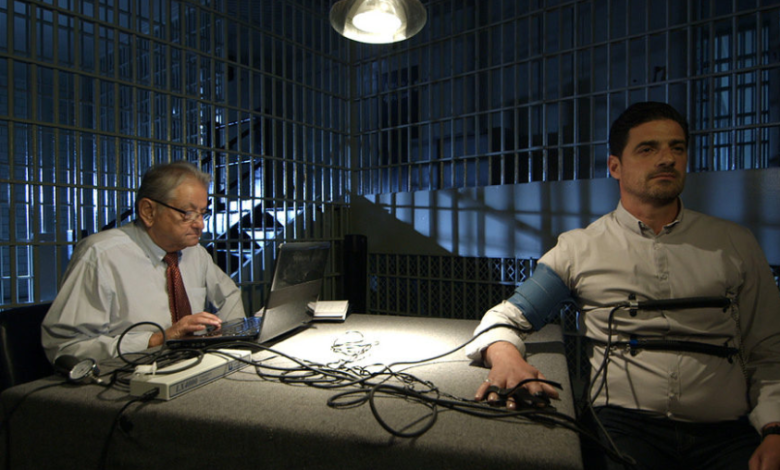
The polygraph machine works on the premise that lying is inherently stressful, and this stress leads to measurable changes in the body. During a polygraph examination, several sensors are attached to the subject. These sensors track heart rate, blood pressure, breathing patterns, and galvanic skin response (which measures sweating). The examiner begins with a pre-test phase to establish baseline responses to straightforward questions, followed by a test phase with more targeted or relevant questions. These questions typically include a mix of irrelevant (neutral), relevant (directly related to the issue at hand), and control questions (designed to provoke a response). The polygraph examiner then analyzes the physiological data to determine if the subject displayed signs of deception when answering the relevant questions.
See also: Explore the Redmi Note 14 Series – Best Offers at Techroid
Use of Lie Detector Tests in Indiana
Lie detector test In Indiana, are used in several contexts, though they are not universally accepted as definitive proof of guilt or innocence. Law enforcement agencies may use polygraph examinations during the investigative process, especially in criminal cases, to help narrow down suspects or verify witness statements. However, it is crucial to understand that the results of a polygraph test are not automatically admissible as evidence in court. Indiana follows the Frye standard in determining the admissibility of scientific evidence, meaning that any technique presented in court must be sufficiently established and accepted by the relevant scientific community. Because polygraph testing remains controversial among scientists and legal professionals, its courtroom utility is limited unless both parties agree to its admission.
Legal and Employment Considerations
Under both federal and Indiana law, the use of polygraph tests in employment is regulated. The Employee Polygraph Protection Act (EPPA) of 1988 prohibits most private employers from using lie detector tests for pre-employment screening or during the course of employment, with certain exceptions. In Indiana, employers in specific sectors such as security services, pharmaceutical manufacturing, and government agencies may require or request a polygraph test, but this must be done within legal boundaries. Additionally, individuals have the right to refuse a lie detector test, and such a refusal cannot be used against them in most employment or legal settings. However, in some criminal investigations, refusal may influence an investigator’s assessment, although it still cannot be considered direct evidence of guilt.
Accuracy and Criticism of Polygraph Tests
Despite their widespread use, polygraph tests are not infallible. Critics argue that physiological responses are not unique to lying; anxiety, nervousness, and even fear of being falsely accused can trigger similar reactions. This raises concerns about false positives, where truthful individuals are wrongly labeled as deceptive, and false negatives, where deceptive individuals pass the test. Additionally, individuals trained in countermeasures may be able to manipulate results. For these reasons, many scientists and legal experts caution against relying too heavily on polygraph outcomes. While polygraph tests may be useful tools in guiding investigations, they should not be seen as conclusive proof of truthfulness or deception.
Location in Indiana
- Lafayette – 2231 S 30th St, Lafayette, IN 47909
Conclusion
Polygraph tests, or lie detector tests, continue to play a controversial yet persistent role in legal, employment, and investigative settings in Indiana. While they offer a unique method of analyzing human responses to questioning, their scientific reliability and legal admissibility remain contentious. In Indiana, as in many other states, these tests can be used under certain circumstances but must be approached with caution. Understanding how polygraph examinations work, their limitations, and their legal standing is crucial for anyone involved in a situation where such a test is being considered. Whether used by law enforcement, employers, or attorneys, the polygraph is a tool—one that should be supported by other evidence, rather than relied upon as the sole determinant of truth.