In today’s fast-paced world, uninterrupted power supply is critical for homes, offices, and industrial setups. what is ups system, ensures that your devices continue functioning during power outages, voltage fluctuations, and other electrical disturbances. But what exactly is a UPS system, and why is it so essential? This article provides a comprehensive overview.
Understanding the UPS System
UPS stands for Uninterruptible Power Supply. It is an electrical device that provides backup power to electronic equipment when the main power source fails. The primary function of a UPS system is to prevent downtime, protect sensitive devices, and maintain continuity of operations.
Unlike traditional generators, a UPS system delivers instant power without any delay, making it ideal for computers, servers, medical equipment, communication systems, and other critical applications.
How a UPS System Works
A UPS system works by storing energy in batteries or other energy storage devices. When the main power supply is available, it charges the batteries and powers the connected devices simultaneously. In case of a power failure, the UPS switches to battery mode and continues supplying power. Depending on the type, UPS systems can also regulate voltage, filter electrical noise, and provide surge protection.
The main components of a UPS system include:
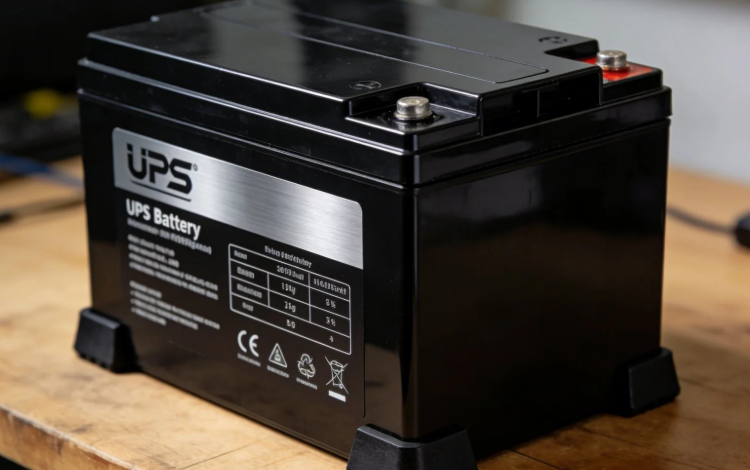
- Battery: Stores electrical energy to provide backup power.
- Inverter: Converts stored DC power from the battery into AC power for devices.
- Rectifier/Charger: Converts incoming AC power to DC to charge the battery.
- Static Bypass Switch: Automatically switches the load to utility power if the UPS fails.
See also: How Intercom Systems Improve Communication and Safety at Home
Types of UPS Systems
UPS systems can be classified into three main types:
- Offline/Standby UPS:
Provides basic backup power and is suitable for personal computers and small devices. It switches to battery mode only when the main power fails. - Line-Interactive UPS:
Offers better protection against voltage fluctuations and surges. Ideal for small to medium offices where consistent voltage is necessary. - Online/Double Conversion UPS:
Continuously converts incoming AC power to DC and then back to AC. Provides the highest level of protection, ideal for data centers, hospitals, and mission-critical applications.
Benefits of a UPS System
A UPS system offers multiple advantages:
- Prevents Data Loss: Keeps computers and servers running during sudden power failures.
- Protects Equipment: Shields sensitive devices from voltage spikes and surges.
- Maintains Productivity: Ensures continuous operations in offices and industrial environments.
- Improves Reliability: Reduces downtime and avoids operational disruptions.
Common Applications of UPS Systems
UPS systems are widely used across different sectors:
- IT and Data Centers: Protect servers, networking devices, and cloud storage systems.
- Healthcare: Maintain critical medical equipment like ventilators and monitoring systems.
- Telecommunication: Ensure continuous operation of communication devices.
- Industrial Automation: Support machinery and production lines during power interruptions.
- Home Use: Protect personal computers, Wi-Fi routers, and home entertainment systems.
FAQs About UPS Systems
Q1: How long can a UPS system provide backup power?
A: Backup time depends on the UPS capacity and load. Small UPS units may provide 5-30 minutes, while larger industrial systems can provide several hours.
Q2: Can a UPS replace a generator?
A: Not entirely. UPS systems provide instant short-term power, whereas generators are used for long-term backup during extended outages.
Q3: How often should UPS batteries be replaced?
A: Typically, UPS batteries last 3-5 years. Regular maintenance and monitoring can extend battery life.
Q4: Is a UPS system necessary for home use?
A: Yes, especially in areas with frequent power cuts or for protecting sensitive electronics.
Q5: What is the difference between offline and online UPS?
A: Offline UPS switches to battery only during power loss, while online UPS continuously provides filtered and regulated power without interruption.
Conclusion
A UPS system is a vital device for maintaining power continuity, protecting sensitive equipment, and ensuring productivity in both personal and professional environments. Whether you are running a small office, a data center, or a home setup, investing in a reliable UPS system can save you from costly downtime, equipment damage, and data loss. Understanding the types, benefits, and applications of UPS systems helps you choose the right solution for your power backup needs.